Using VPNs for Cryptocurrency Transactions: A Comprehensive Guide
Table of Contents
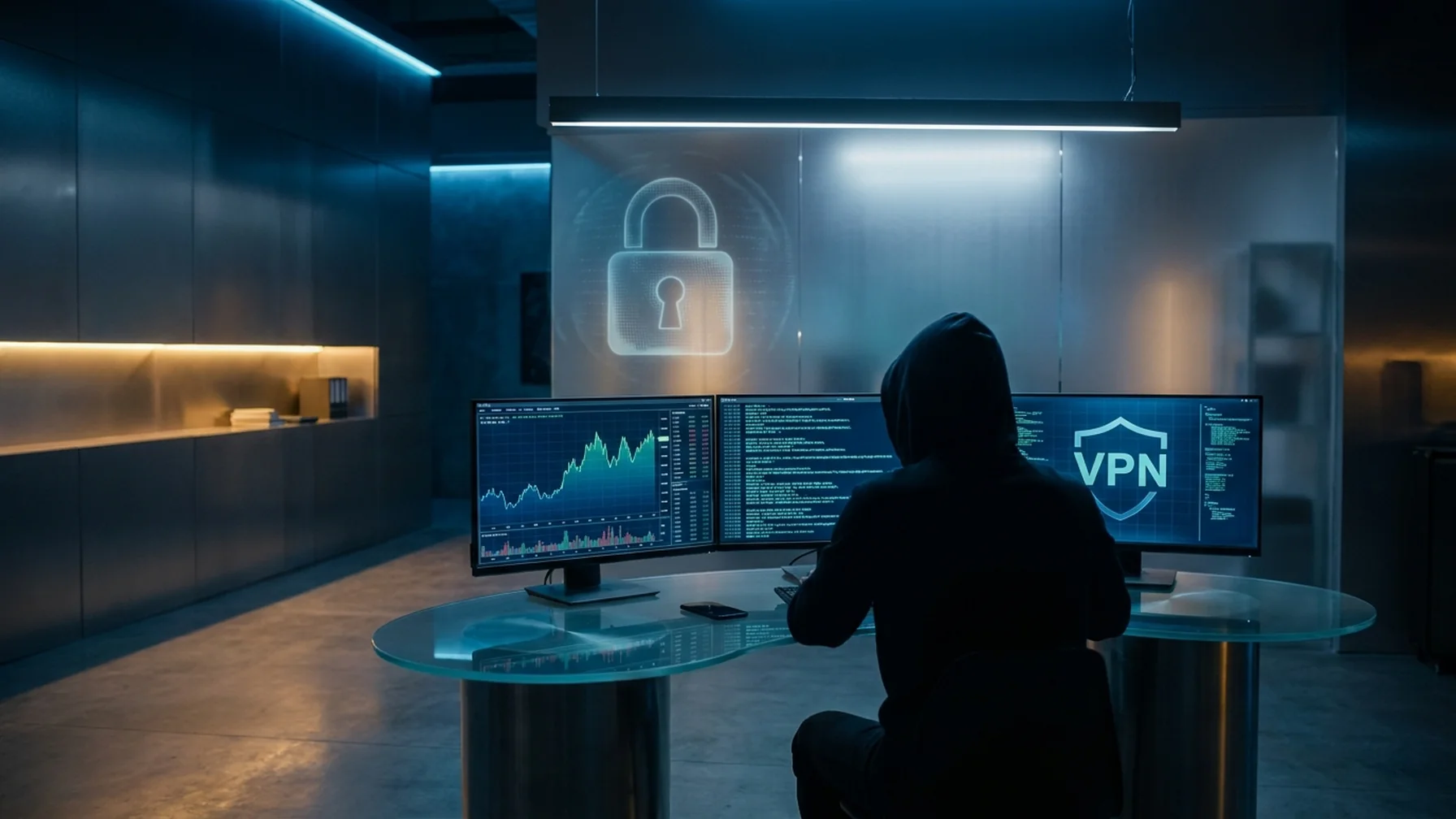
In the world of cryptocurrency, privacy and security are critical concerns for users globally. Using VPNs for cryptocurrency transactions is a common method to safeguard financial activities. This article discusses the importance of crypto privacy, how VPNs enhance security, and the necessary steps to use them effectively.
The Importance of Privacy in Cryptocurrency Transactions
Crypto privacy is essential to protect users from threats such as hacking and identity theft. Although cryptocurrencies like Bitcoin are often considered anonymous, their transactions are recorded on public ledgers, potentially exposing users to tracking. This is where VPNs and privacy measures come into play.
Monero vs. Zcash: Comparing Privacy Features
Monero and Zcash are two leading privacy coins, each offering unique privacy features. Monero ensures all transactions are private by default, making them untraceable. In contrast, Zcash provides the option of transparent or shielded transactions, allowing users to choose their level of privacy.
Here's a detailed comparison of their privacy features:
This comparison underscores the distinct privacy approaches of Monero and Zcash, helping users decide based on their privacy preferences.
| Feature | Monero | Zcash |
|---|---|---|
| Default Privacy | All transactions are private | Users choose transparency level |
| Transaction Tracing | Untraceable | Optional shielded transactions |
Choosing between Monero and Zcash depends on whether you prefer automatic privacy or having the option to adjust it.
Advantages of Using VPNs for Crypto Transactions
VPNs offer several benefits for enhancing privacy and security during cryptocurrency transactions. Below is a table outlining the key advantages of using a VPN.
These benefits illustrate how a VPN can significantly enhance privacy and security when conducting cryptocurrency transactions.
| Advantage | Description |
|---|---|
| Enhanced Privacy | Masks your IP address, making tracking difficult. |
| Security Against Hacking | Encrypts your connection, protecting sensitive information. |
| Access to Global Exchanges | Allows access to exchanges restricted in your region. |
| Protection on Public Wi-Fi | Secures your connection on public networks. |
Setting Up a VPN for Cryptocurrency Transactions
To maximize security and privacy in cryptocurrency transactions, setting up a VPN is crucial. Here are step-by-step instructions to do it effectively.
- Select a reliable VPN service with strong encryption and a no-logs policy.
- Download and install the VPN application on your device.
- Connect to a VPN server before accessing your cryptocurrency exchange or wallet.
- Enable additional security features like a kill switch for extra protection.
- Conduct your transactions ensuring your IP address stays concealed.
Following these steps ensures a more secure and private experience during cryptocurrency transactions.
Understanding Pseudonymity vs. Anonymity in Crypto
Bitcoin is pseudonymous rather than anonymous. Transactions can be traced back to individuals, as transaction history and wallet addresses are public. This highlights the need for VPNs and privacy coins to enhance transactional privacy.
The Role of Encryption in Cryptocurrency
Encryption is crucial in securing crypto transactions. Public key cryptography allows secure fund transfers by using a pair of keys—public and private. This method ensures only intended recipients can access transaction details.
Privacy Coins: Enhancing Anonymity
Privacy coins like Monero and Zcash enhance anonymity features. Monero uses ring signatures and stealth addresses to obfuscate details, while Zcash offers optional privacy with zk-SNARKs. Both aim for higher privacy levels than traditional cryptocurrencies.
Legal Considerations for Privacy Coins
The legality of privacy coins varies by location, with some countries viewing them suspiciously due to potential illicit use. However, many privacy coins operate within legal frameworks, emphasizing user privacy over illegal activities. Staying informed about local regulations is crucial.
Best Practices for Maintaining Crypto Privacy
Implementing best practices is vital for maintaining privacy in crypto transactions. Here’s a list of recommended practices:
- Use a reliable VPN to mask your IP address.
- Consider using privacy coins for better anonymity.
- Utilize crypto mixers to obscure transaction trails.
- Be aware of KYC requirements on exchanges.
- Regularly update and secure your crypto wallet.
These practices can significantly enhance privacy and security in crypto transactions, but users should stay informed about regulatory changes.
Understanding KYC and Its Impact on Crypto Privacy
Know Your Customer (KYC) regulations require identity verification, potentially compromising privacy by linking personal information with crypto transactions. While KYC aims to prevent fraud, it poses challenges for those seeking anonymity.
Government Oversight and Crypto Privacy
Governments are increasing oversight of cryptocurrency transactions due to concerns over illegal activities. This scrutiny can impact privacy as authorities track transactions and impose regulations. Staying informed about these developments is essential for maintaining privacy in crypto transactions.
In conclusion, using VPNs for cryptocurrency transactions is a valuable strategy for enhancing privacy and security. By understanding crypto privacy intricacies, encryption, and legal considerations, users can better protect themselves in digital finance.